National Black HIV/AIDS Awareness Day!
Prologue:
National Black HIV/AIDS Awareness Day is tomorrow, 7 February. In anticipation of this commemoration, this post entry is published today.

Background:
In the early 1980s, mysterious and unusual health conditions began appearing globally, and by the middle of the 1980s, this new condition was named Acquired Immunodeficiency Syndrome – AIDS. The transmission (spreading) capability of this rapidly growing condition was identified as the human immunodeficiency virus – HIV. The alarming rate of infections of HIV and the rising fatalities from complications with AIDS soon became a priority focus of the public health services worldwide.
Under the mandate of the United Nations (UN), the World Health Organization (WHO) soon created an independent agency to address this international health crisis. This situation resulted in the launching of World AIDS Day on 1 December 1988 with the accompanying red ribbon campaign for awareness.
Disproportionate Impact:
At the arrival of the 21st century, African Americans constituted approximately 13% of the population in the USA yet they represented almost 50% of all categories of infection rates in HIV/AIDS related statistics reported by the US Centers for Disease Control and Prevention (CDC).
The overwhelming statistics of HIV infection rates within the African American population indicated severe obstacles, intentional or unintentional, in relaying information on disease prevention as well as general factual material to the Black communities inside the USA. The distrust between the US public health services and Blacks had only recently been publicized through the Tuskegee experiment. The residual discrimination and racism practices were another barrier reason.
There were now growing public criticism of the health agencies and departments in making HIV/AIDS prevention information available to the infected community. This concern now crossed both political and religious differences and even the presidential office demanded resolution.

In 1999, seriously alarmed over the staggering effects of HIV/AIDS on the Black community, the CDC, the National Institutes of Health (NIH), the entire US Public Health Service, representatives of organizations serving African Americans, medical and research professionals, communities of faith and entertainment, musical and sports celebrities met to address concerns and solutions over the rising infection rates of HIV/AIDS. One of the results of these conferences was the decision to observe, annually, 7 February as National Black HIV/AIDS Awareness Day (NBHAAD) not just in the Black community but nationwide for all Americans.
The very first NBHAAD was commemorated on 7 February 2000.
HIV/AIDS Basic Facts:
HIV (human immunodeficiency virus) is the virus that causes AIDS.
AIDS (acquired immunodeficiency syndrome) is a result of HIV infection.
HIV is not transmitted (spread) through everyday casual contact.
Only a physician (doctor) can diagnose AIDS.
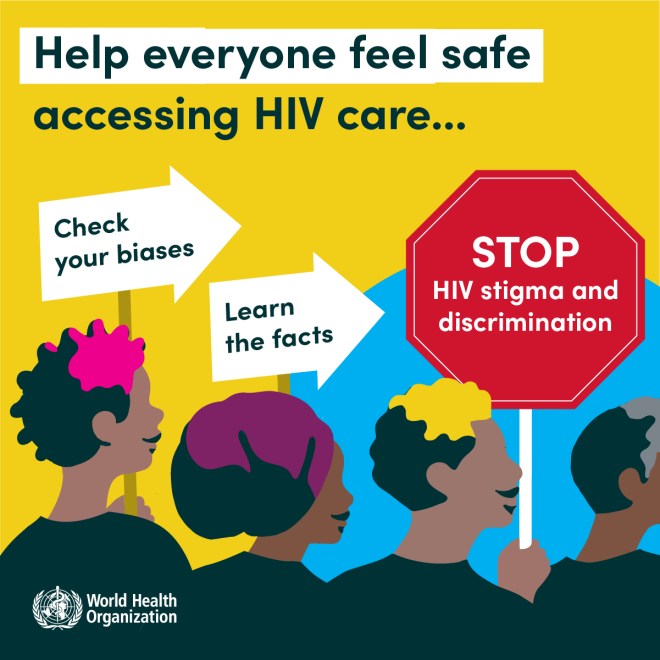
NBHAAD Key Components:
Get educated!
Know the facts about prevention and transmission of HIV/AIDS.
Get involved!
Learn about opportunities available within your community for prevention efforts.
Get tested!
Know your status and encourage/empower others to do the same.
Get treated!
Receive proper healthcare and support needed to successfully live with HIV.
The four Key Components are essential criteria for all NBHAAD activities and community outreach efforts. They emphasize the “unity within the community” approach to combatting HIV/AIDS. The Get educated component is the foundation for all NBHAAD presentations and is combined with either another component or offered as the sole resource.
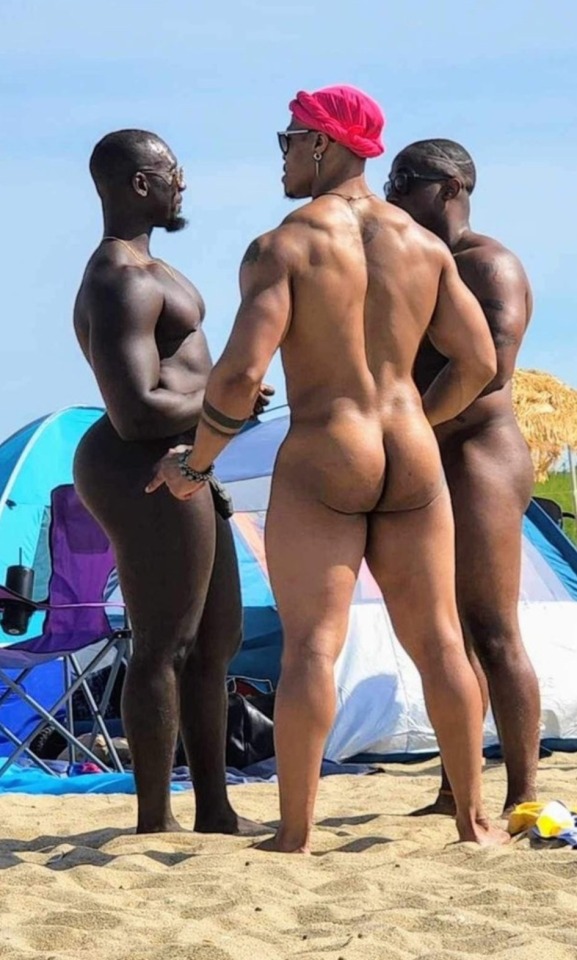
Analysis proves that people learn and retain knowledge most effectively from people they perceive as most like (similar) to themselves. This is one of the guiding philosophies for the organizing and the support of National Black HIV/AIDS Awareness Day!
Celebrity Involvement:
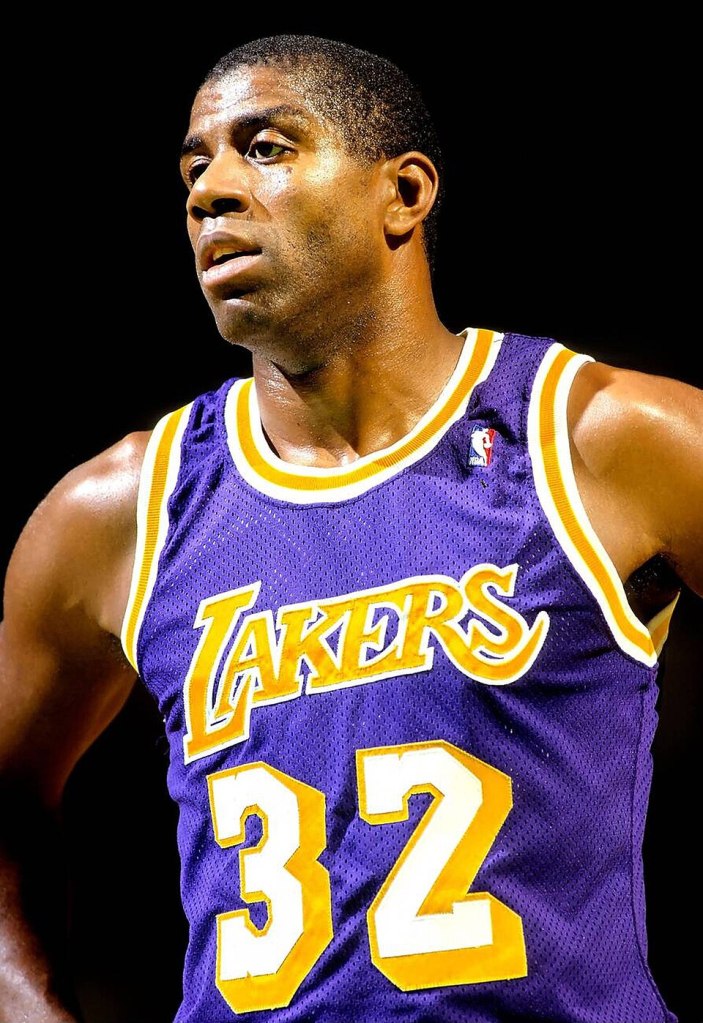
Earvin “Magic” Johnson, Los Angeles Lakers, National Basketball Association (NBA)
“Magic” Johnson is a retired professional basketball player for the Los Angeles Lakers team who is often viewed as the greatest point guard of all time. He retired abruptly on 7 November 1991, when he announced publicly that he was HIV+. He played in the 1992 NBA All-Star Game winning the All-Star MVP Award yet completely retired after fellow professional players protested having to play with him and risking themselves for becoming infected.
He was actively featured and involved in the first annual National Black HIV/AIDS Awareness Day activities and continues to do even today.

Kory Mitchell, Gay Adult Film Actor and HIV Prevention Advocate
Kory Mitchell, a popular and versatile gay adult film industry actor and casting director for Lavendar Studios tested positive for HIV in 1991. He became certified as an HIV/AIDS prevention instructor by the Red Cross and became an advocate in prevention education in gay related film studios.
He retired from filming but remains active in advocating for education and prevention efforts at the major gay film studios. He was active in the National Black HIV/AIDS Awareness Day planning events and in the observances from the very first through today.

Our Unofficial Official Spokes Model, Phoenix Fellington!
Our very own celebrity, our unofficial (unpaid) spokes model, Phoenix Fellington, has promptly responded to interview questions regarding his engaging in the gay adult film industry.
“Why do I do gay porn? To teach men how to have sex. Responsible and safely!” ~ Phoenix Fellington ~
Naked hugs!
Roger Poladopoulos/ReNude Pride: Guys Without Boxers!

Author’s Note: The next post entry here is planned for Monday, February 9, 2026, and the proposed topic is: “Locked Lips!”

 ReNude Pride: Guys Without Boxers!
The ignorance (and judgement) about HIV and AIDs, even to this day, is staggering. Thank you for being a source of information and facts.
LikeLike