
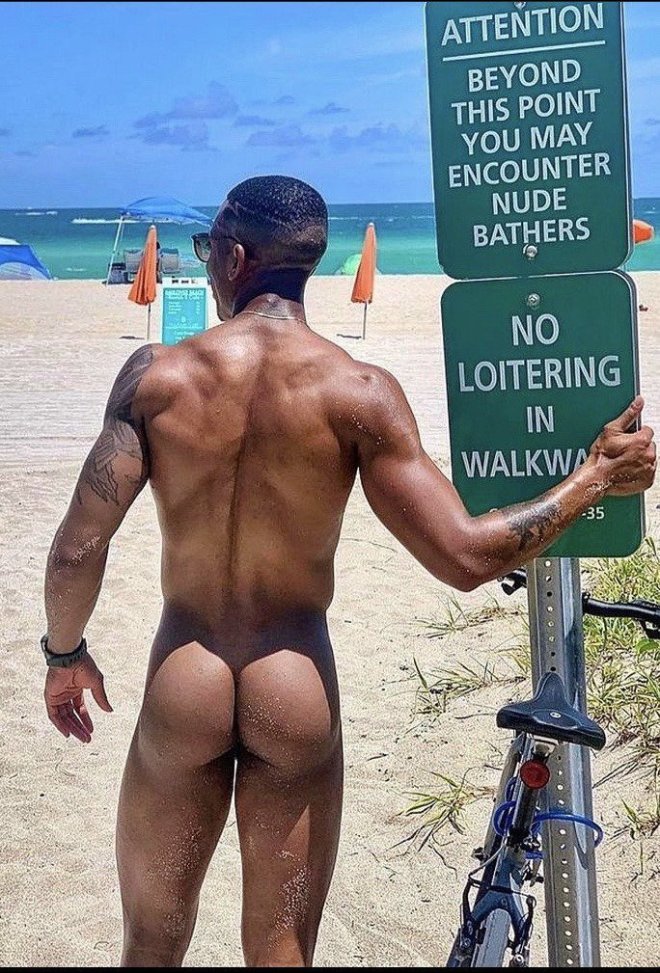
Along the beach shoreline, inside a pool or just out in the open playing in the natural setting, the season is one for the proverbial “fun-in-the-sun!”
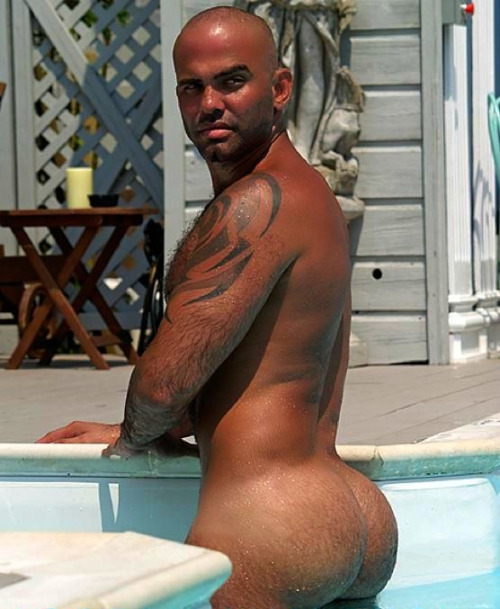
There is one aspect of our nakedness that we as bare practitioners constantly remember: sun-sational sunscreen! The covering that we all know we can’t leave home without!

No matter who we are or what we do, when we’re enjoying nature, naturally, we need to protect ourselves from the ultraviolet sunrays that we are enjoying. Yes, it can be delightful and fun, but too long without any covering potentially can hinder our seasonal antics and cause serious health issues over time!

Before You Bare…Cover Up!
Here in the Northern Hemisphere, the Summer season doesn’t officially begin until 21 June, annually. However, the transition season of Spring is already in progress. Warmer temperatures and longer hours of daylight (sunlight) are also already upon us. As bare practitioners, our blissful dreams once again return into reality.
Aaron, my spouse, offers it best and honest. It advances our cause and needs no explanation:
“If nakedness is anticipated and/or expected it automatically loses “shock value” and instead becomes the normal, the routine. No judgment, no surprise!” ~ Aaron Michael Peterson-Poladopoulos ~ 24 August 2022
Therefore, coherent with our community and our culture, we comply with what we consider as normal and routine. That is our nakedness!
In keeping with that reality, this post entry seeks to remind us all of our health and safety, as well as the diligence and importance of the use of sunscreen. In our eagerness to get outside and frolic in the fresh air and warm sun, many of us forget one of the basic and essential rules of summer health. We all need to cover up (protect) our skin before we uncover (expose) any part or all of our body.
This entails the use of an appropriate sunscreen applied adequately (sufficient quantity), correctly (follow directions) and, when necessary, reapplied diligently. Using sunscreen allows most of us to make the most of whatever our summer plans may offer.
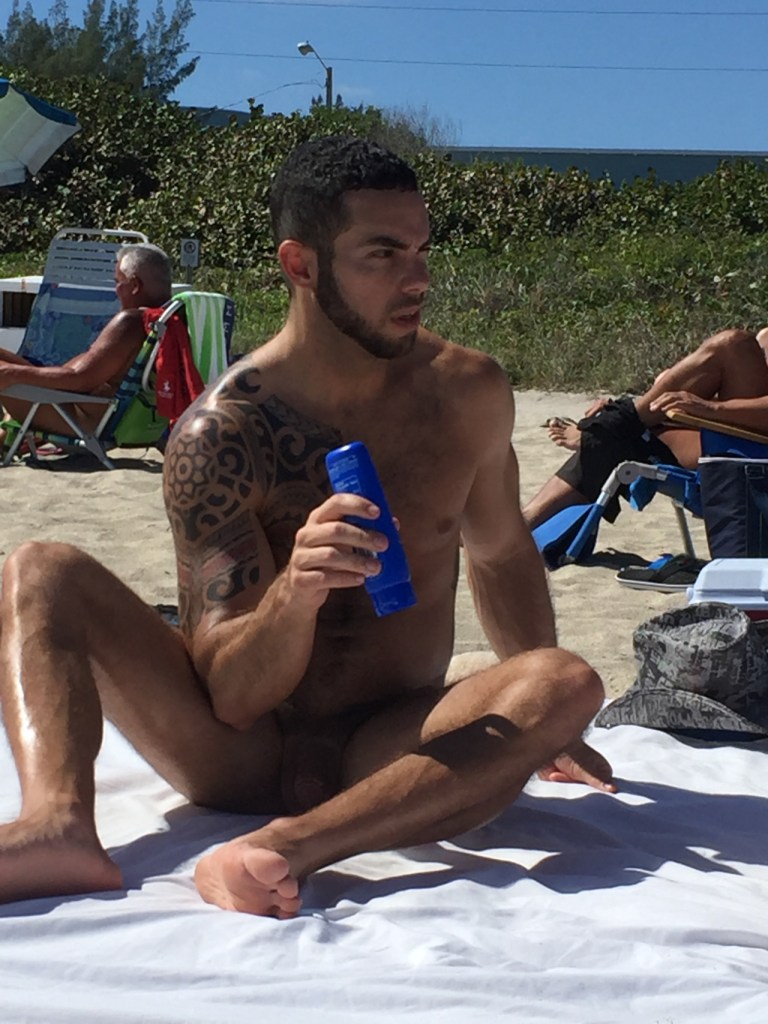
What should I look for in a sunscreen?
Regardless of where sun activity is happening, a private yard, ball field or court, park, trail, beach or shore, the product (sunscreen) should contain two elements for effective protection. Always look for a “broad spectrum” sunscreen that contains chemicals that block both UV-A and UV-B radiation from penetrating the skin surface.
While no product is completely waterproof, select a “water-resistant” type that is designed for long-lasting wear, especially if perspiring heavily or swimming. Choose a variation that is both easy to apply and feels good on the skin. There are numerous commercial brands available: creams, lotions, moisturizers, gels, sprays (aerosols), and solid stick types.
What Is SPF?
The initials SPF refer to sun protection factor. It is the measure of the effectiveness of the sunscreen in absorbing UV-B radiation. If someone sunburns after about 10 minutes of sun exposure, using a product of SPF15 extends the amount of time before sunburn occurs to 150 minutes or two-and-a-half hours. After this time, it should be reapplied to continue protection.
In terms of percentages, a product of SPF15 blocks 93% of the UV-B rays. One of SPF30 blocks 97% of radiation and one of SPF blocks 99%. The difference in protection may not always justify the added expense of higher SPF sunscreens.
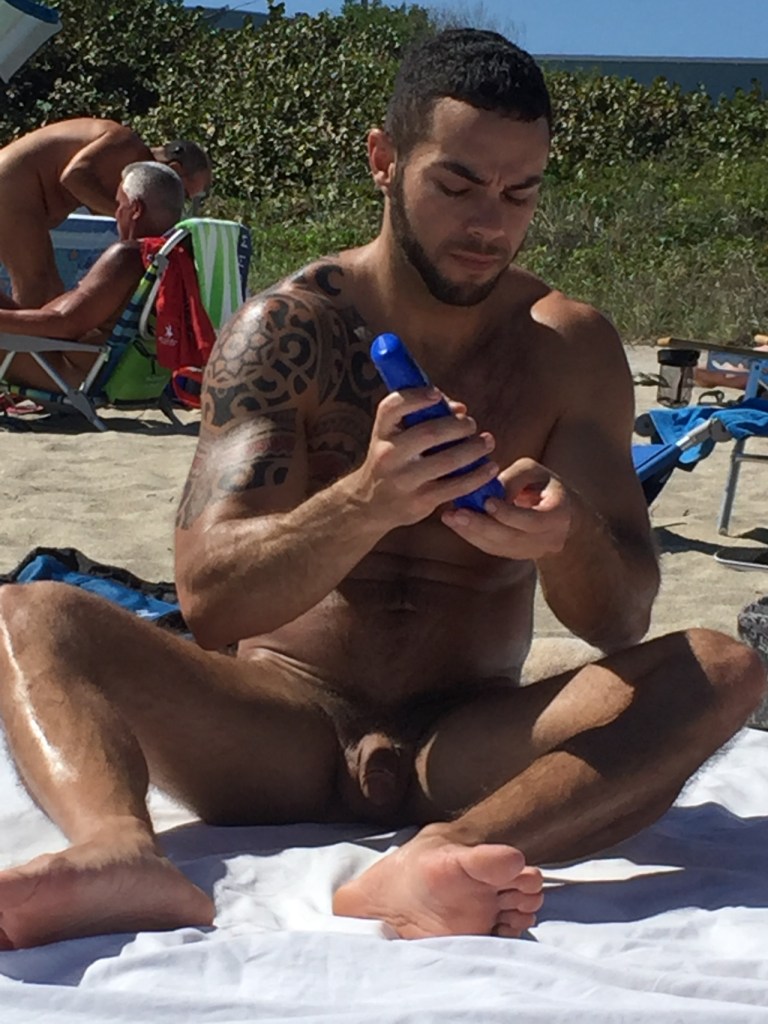
What Is the Best Sunscreen For Me?
This depends on many factors, including age, skin type, activity, time of day, location (proximity to the Equator) and the UV index. For most skin types, a sunscreen with a minimum SPF15 is recommended. Persons with fair or lighter skin tones (all races) and low sun tolerance (burn easily) should use a SPF30. For minimal sun exposure, 90 minutes or less, a moisturizer cream may suffice (with correct SPF level). For extended periods of sun exposure and higher activity engagement, use a longer-lasting product such as a gel or lotion. Spray (aerosol or pump) are beneficial for hairy parts of the body, including arms and armpits, back, chest, legs and the pubic region. If a person is acne-prone, choose sunscreens that are oil-free or non-carnodegenic.
For persons with sensitive skin, the chemicals in some sunscreens may cause skin irritation. Use a product that contains only physical blockers (zinc oxide and titanium dioxide). A physical blocker does not penetrate the skin layers as do chemicals. Physical blockers stay on the skin surface to provide protection.
What Is the Best Way to Use Sunscreen?
If you’ve used sunscreen before and experienced sunburn, it was either applied incorrectly or it was the wrong SPF. For sunscreen to be effective, it must be in sufficient quantity, applied correctly (follow directions carefully) and thoroughly applied prior to sun exposure. It should also be reapplied when recommended by the directions. Remember the lips! Use a lip balm with a minimum SPF15.
How much?
One ounce – the equivalent of a full shot glass if mixing drinks – per adult body per application. Apply liberally all over the body, including behind the ears, on the edges of the ears and on the ear lobes. If in doubt, consult the application directions that accompanied the sunscreen.

When to apply?
At least 30 minutes before going into the sun. Reapply 15 minutes later. The extra application helps to cover body areas that may have been missed during the first application. Once in sunlight, reapply every couple of hours, especially if swimming, perspiring and/or towel drying frequently.
Who should use sunscreen?
Everyone needs skin protection. All races are susceptible to sunburn. Persons with darker skin complexions may have a higher tolerance for sun exposure but at some point will begin to experience sunburn. Bear and bare in mind that skin damage and serious complications later are the result of the failure to protect the skin.
What does the expiration date mean?
Sunscreen usually remains effective and stable for a period of three years. After the expiration date, the contents will begin to decompose and not afford the intended protection. Always check the expiration date before application. Discard any product that is past the recommended date!

African-Americans and Sunscreen:
In the Black and Hispanic communities, it’s a common misconception that their melanin-infused (darker) skin completely eliminates the necessity for sunscreen as protection. Yes, darker skin does protect from some UV rays, but all persons, no matter their skin tone, need the protection of sunscreen.
For a long time, all races believed that the darker complexions of persons of African, Hispanic and Middle Eastern ancestry/descent were fully protected from the harmful rays of the sun. Despite the fact that darker skin tones have greater genetic protection and tolerance than fairer (lighter) skin tones, everyone has a certain level of natural deficiency.
At minimum, human skin tones need at least an SPF30 for full protection from UV rays. Black people (on average) have a deficiency of about SPF17 therefore their level of melanin offers only a SPF13 level.
Concerns Regarding USA SPF Ratings?
Most consumers choose a sunscreen product based on the sun protection factor (SPF). Often selecting the higher SPF levels assuming that the level gives the best protection from the sun’s ultraviolet (UV) rays. In the USA, studies now prove that the domestic UV ratings are an unreliable measure of effectiveness.
An ideal sunscreen should provide equal broad-spectrum protection from both UV-A and UV-B rays. Throughout most of the globe, this is how sunscreen is rated. In the USA, however, the SPF value reflects the product UV-B ranking only.

Sunglasses Protection:
The most critical function of sunglasses is blocking ultraviolet (UV) radiation. The UV-A and UV-B sun rays damage the cornea, lens and retina of the eyes and increase the risk of cataracts, macular degeneration and photokeratitis (sunburn of the eyes).
By selecting sunglasses with 100% UV protection, polarized lenses and durable framing helps safeguard the eyes from both immediate and long-term sun damage. The use of sunglasses reduces the risk of sunscreen contact with the eyes.
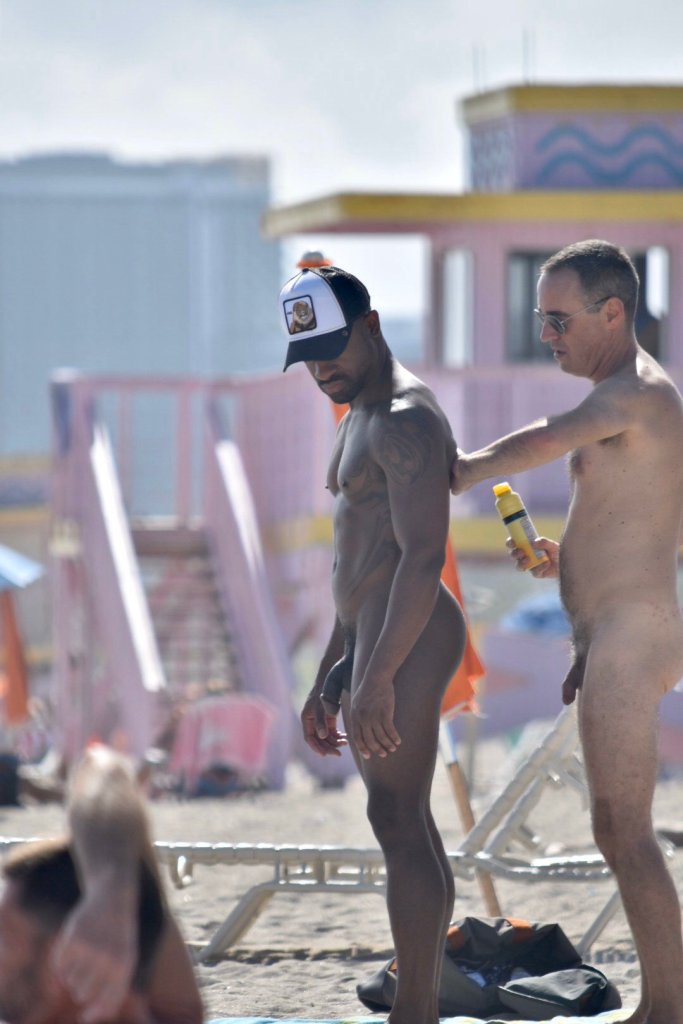
Sunscreen is an important and valuable precaution in affording all of us, bare practitioners and otherwise, in the task of enjoying a healthy, productive and a very safe season of both summer and sun! Have fun and remember your sunscreen!
Naked hugs!
Roger Poladopoulos/ReNude Pride: Guys Without Boxers!
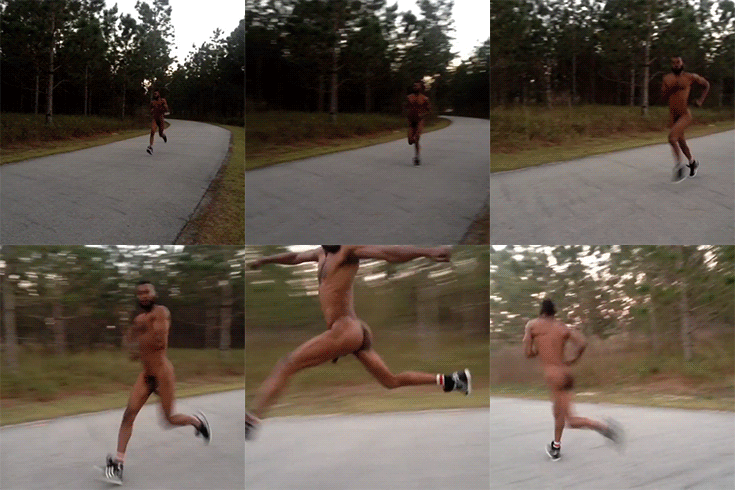
Author’s Note: The next post entry here is planned for Monday, May 18, 2026, and the proposed topic is: “My May Turn!”

“Splashman!”
Completely sunscreen protected!


I just bought some new sunscreen this past weekend! The sun already feels much warmer when I am outside, even if the temperatures aren’t quite there yet.
LikeLike