Simply: the choice is yours. Please read and act responsibly.
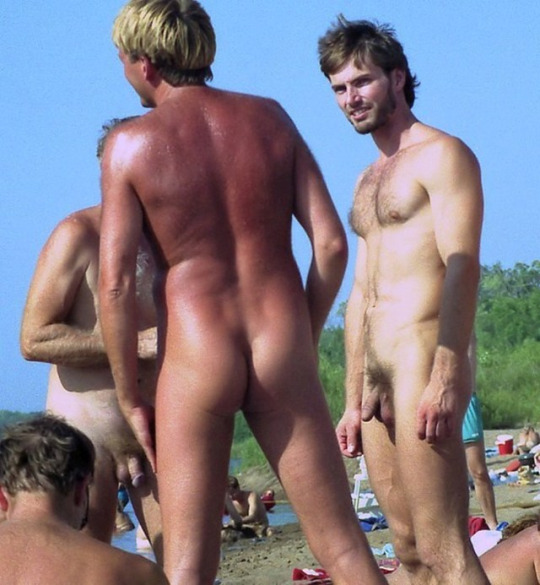
A sunny beach stroll!
Introduction:
Hopefully, the title of today’s post entry here on ReNude Pride: Guys Without Boxers! has caught your attention and curiosity as to the content. If not, the equation covered in the Prologue was intended to eliminate all and any doubt. The purpose and theme are to remind us of the importance of sunscreen in our health needs and especially our skincare.
This hopefully serves as a serious reminder to all of us of the need to incorporate protection strategies into our nakedness. We are all born body and clothes free. That fact allows us an option in determining how we pursue our lives. The intent of this X-Factor component is to reinforce our healthy, honest and informed choices.
This photo-essay offering concludes with an accessible link to my most recent posting on this topic. If anyone needs detailed information on the concerns of sunscreen, please use the linkage featured prior to the signature below.
*************************
Sunscreen!
For those of us living in the Northern Hemisphere, our season of “natural bare living” is in the process of happening now! As our Springtime unfolds, our opportunities for natural revelation increase daily. The need for clothing diminishes at an accelerated rate and the freedom to express our bare practitioner inclinations expands considerably! The necessity for the aid and protection of sunscreen grows beyond imagination.
For persons living in the Southern Hemisphere, even though the season of intense solar exposure is months away, sunscreen protection is always warranted for any sun exposure, regardless of sunray intensity. A secondary purpose of this post entry is to refresh everyone’s memory: sunscreen is essential for our health and well-being all year long, no matter where we live!
Application!
Each sunscreen is available commercially in a variety of containers, formats and styles. It is a topical product specifically designed to protect skin from the damaging effects of ultraviolet (UV) radiation. UV rays from the sun can cause premature skin aging, sunburn and skin cancer – including melanoma, the deadliest type of skin cancer. Wearing sunscreen daily is essential in reducing these harmful effects.
The goal of any sunscreen product is to shield the skin from sun exposure and a broad-spectrum formula that helps block UVA and UVB sunrays is basic for all skin types, ethnicities and races.
Reapply as per instructions!
The length of time for the purpose of sunscreen is recommended for each product. Everyone is encouraged to follow the commercial instructions as closely as possible and to individually decide the effectiveness. Variations are based on personal needs and the products overall rating. Not every product is identical. It is highly encouraged to all persons that when purchasing a new type of sunscreen product to apply a little to a small area of the body to test the product and individual reaction to it.
When applying the sunscreen, numerous bare practitioners – Aaron and myself included – recommend a “dual application” process. This involves rubbing the product into the skin and awaiting time for the product to be absorbed and then repeating the process. This reduces the chance of any area of skin being accidentally uncovered and unprotected.
Sunscreen application!
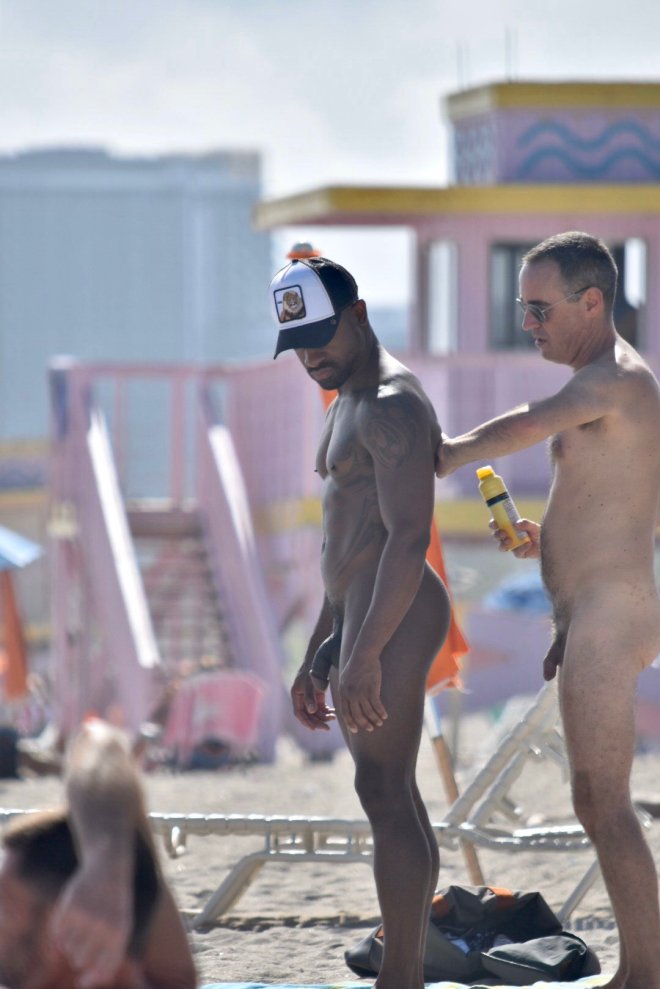
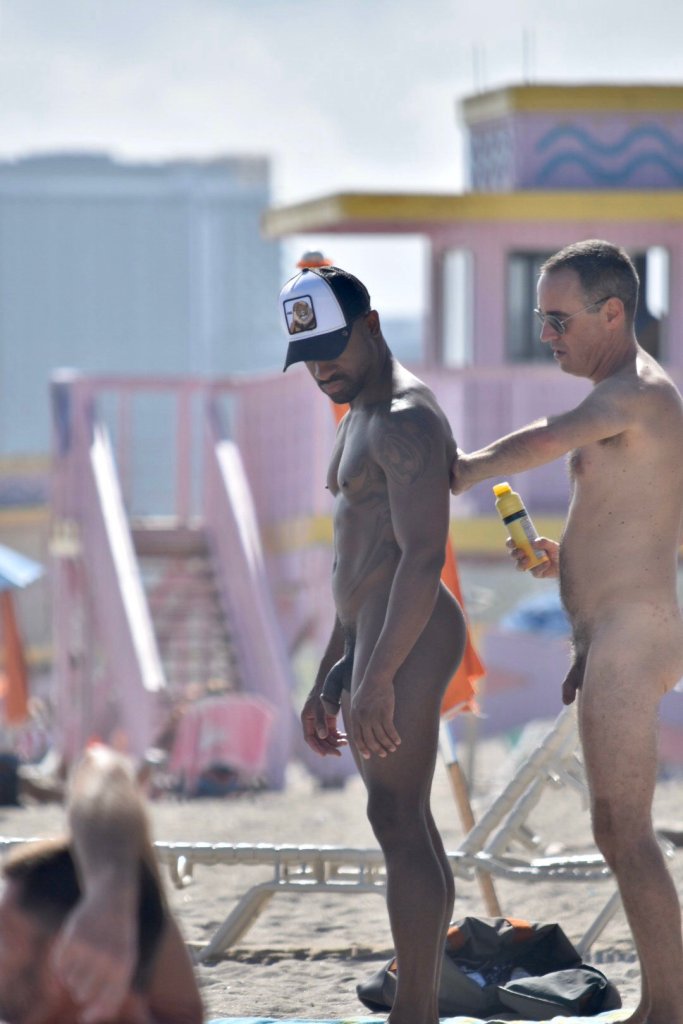
If at all possible, having an acquaintance, family member or a friend helping to spread the protection is advised. Their assistance helps to cover areas difficult to reach if applying alone and also guarantees thorough coverage of the entire body with protection. This cooperation also encourages us to share experiences and problems with others that we otherwise would not be able to exchange.
The growing market of sunscreen products offer many different varieties. This interaction gives us an opportunity to gain experience, knowledge and a sampling of products that we might not have accessibility to or reason to try.
Sunscreen is for everyone!
Despite extensive outreach efforts, there is still a significant number of persons who are of the erroneous mindset that Black people (persons of African descent) do not need to use sunscreen. This misconception is based on the false belief that their melanin-infused skin completely eliminates the need for sunscreen for protection. Yes, darker skin does protect from some UV sunrays, but all persons, regardless of their skin tones, need the protection of sunscreen.
Darker skin tones indeed have a greater genetic protection than fairer skin tones, however, humans have no natural blockage of all ultraviolet (UV) rays from the sun. Everyone has a natural deficiency.
For a more detailed information offering on sunscreen, please visit the post entry linked below:
As we entered into the 21st century, alarming, distressing, and potentially fatal statistics continued to confront us all as the HIV/AIDS epidemic grew in both intensity and number globally. Here in the USA, African-Americans constituted slightly over 14% of the total population, yet they represented almost 50% of all categories in HIV/AIDS-related statistics reported by the US Centers for Disease Control and Prevention (CDC). The disproportionate impact indicated an approaching catastrophic outcome.
The first two decades of the HIV/AIDS crisis, in addition to the ignorance and neglect of then-president, Ronald Reagan, was likewise ignored and condemned by African-Americans as well. The blame and cause of the disease was the “white homosexuals and their sinful ways!” At long last, Black Americans were able to point their fingers at the White community and condemn them for “inventing” a disease that was fatal.
By this time, it was evident to all – health professionals, legislators and in particular, the American public – that more decisive, effective and resourceful actions and measures were needed to combat the alarming rates of infection with HIV/AIDS.
In 1999, concerns and fear over the effects of the disease on the Black American population led the CDC, the US Public Health Service, executive representatives of nationwide organizations serving African-Americans and communities of faith met to address issues with the rising infection conditions. One of the results of these meetings was the decision to observe February 7, annually, as National Black HIV/AIDS Awareness Day (NBHAAD).
With excitement, athletic and celebrity endorsements, fanfare and media attention, the very first NBHAAD was held from coast-to-coast on February 7, 2000.
Subtle manner!
HIV Infection:
The human immunodeficiency virus (HIV), the virus that causes AIDS, is transmitted (spread) from one person to another through contact with one or more of four (4) human body fluids. These four fluids are: blood, semen, vaginal fluid breast milk. Other body fluids such as tears, saliva, mucus (congestion), urine do not spread HIV. Remember the four: blood, semen, vaginal fluid, breast milk. Avoid all contact with those four body fluids.
Any contact with one or more of these body fluids contact your local health department immediately for treatment! The earlier treatment begins, the greater chances are for success.
Latex, a synthetic material, has been proven repeatedly to significantly reduce (lower) the risk of HIV infection. Latex is used to make condoms and gloves because it prevents the exchange of bodily fluids. The latex product must be intact – no puncture or tear. Dispose (throw away) latex products in a marked biohazard container.
The important message!
Testing:
A simple blood test can determine if a person is infected with HIV (the virus that causes AIDS). Persons are encouraged to get tested for HIV regularly. In the USA, test results are supposed to be confidential (private) even though the data is reported to the health department for statistical purposes.
When test results are given, information is also provided on services available and possible treatment options. Counseling is also offered.
Major challenge:
Despite all of the advances in HIV testing, counseling treatment options and massive HIV/AIDS public education/treatment efforts, it remains estimated that almost 25% (one quarter) of persons who are infected with HIV (HIV+) are honestly unaware of their personal HIV status. They have not been tested. This factor represents not only a failure of education and outreach efforts nationwide, but also the serious potential for a major health crisis. Get tested! Know your status!
Knowledge is power!
Key components:
NBHAAD guidelines mandate four (4) key components that must be present in order for an awareness campaign to be considered a success. Each component is designed to build individual and community strengths in combatting HIV/AIDS. The four essential elements are:
Get educated: Know and learn the facts about transmission and prevention of HIV/AIDS.
Get involved: Explore opportunities available in individual and community prevention efforts.
Get tested: Know your HIV status and encourage/empower others to do the same.
Get treated: Receive proper healthcare and support needed to successfully live as HIV+.
Analysis proves that people learn and retain knowledge most effectively from people they perceive as most like themselves. NBHAAD is an African-American based to provide direction, guidance and implementation to the Black population specifically. It represents a resource that is both accessible, authentic and dependable.
Elimination of the unknown!
Knowledge is power:
The more that we know, the better we become in enjoying not only good health but also successful living. NBHAAD and sponsored programs increase the amount of knowledge within a community and the opportunities for discussions concerning issues surrounding HIV/AIDS that individuals may face. It helps to create an environment where the virus that causes AIDS is a comfortable topic without fear of judgment.
Recently, the coronavirus COVID-19 and variants have received attention in health circles that have surpassed the attention focused on HIV/AIDS. Both infections need our attention and because HIV/AIDS has been with us longer, it still is prevalent and warrants action and continued education. Our health deserves all the attention we can offer to it!
Endorsements:
Kory Mitchell, cross on his lower left abdomen!
Now retired from his career in the gay porn industry, proud bare practitioner, Kory Mitchell, himself a certified American Red Cross prevention education instructor trainer (as myself) has visual tattoos to accentuate his status as HIV+ and in support of NBHAAD. We both collaborated on several HIV/AIDS prevention education projects for the Red Cross nationally. Early in his film career, Kory had “blessed” tattooed on his shoulder and a cross inked on his abdomen to remind his fans of his Christian faith.
“Blessed on his shoulder, “hope” on his neck!
Shortly after his diagnosis as HIV+ and just before his retirement, he had the word “hope” tattooed on his neck. Instead of the letter “o” in hope, he had a red HIV/AIDS awareness ribbon substituted instead. Very creative and imaginative, Kory!
Phoenix Fellington, bare, smiling and on the right!
Phoenix Fellington, as documented in the previous post entry here on Monday, 3 February, 2025, “Bare Is Real!” We are truly fortunate to offer his reasoning for being employed in the gay porn industry not once but twice in the same week! His message compliments NBHAAD!
“Why do I do gay porn? To teach men how to have sex. Responsibly and safely!” ~ Phoenix Fellington ~ openly gay pornography actor, ReNude Pride spokes-model
Jason Collins, first openly gay NBA athlete, Brooklyn Nets!
Now retired NBA professional player, Jason Collins, formerly of the Brooklyn Nets. Jason was the very first NBA professional to “come out” as gay while still playing in the NBA. His sentiments here reflect prejudice, whether over a person’s sexuality or over their HIV status.
“Openness may not completely disarm prejudice, but it’s a good place to start.” ~ Jason Collins ~ openly gay NBA professional, Brooklyn Nets
Naked hugs!
Roger Poladopoulos/ReNude Pride
Author’s Note: The next post entry here is planned for Monday, February 10, 2025, and the proposed topic is: “Posing Bare: Part 3!”
This is my annual post entry here on ReNude Pride to remind everyone (follower and/or visitor) of the healthy and lifesaving capability and importance – and necessity – of sunscreen and the essence of applying it daily. Even though I publish this notification as the summer season approaches in the Northern Hemisphere, I need to reiterate that sunscreen is essential all throughout the year! The UV sunrays are not reduced due to colder/cooler temperatures. The UV sunrays are effective regardless of the season!
My initial posting was repeated, verbatim, for the period of the first several postings here. It was then that I realized that I could offer updates and extra information. I instituted this editing and practice through a section entitled – initially – “update.” I soon realized that this was a faulty habit and now post this announcement that from henceforth, I will revise the information based on the relevant topic agenda. I continue this procedure even today. New topics and details are added throughout each annual post entry.
A sunscreen in a lotion format!
The summer doesn’t officially begin until 21 June, 2024, in the Northern Hemisphere. However, in the USA, this upcoming weekend is a three-day holiday and most people here consider this occasion as the unofficial beginning of the legendary season of “fun in the sun!” No matter which day one prefers for the arrival of summer, there’s no denying the fact that warmer temperatures and longer hours of daylight are here! This means that the textile people are wearing less clothing and those of us who live in the glory of our nakedness are, as usual, basking in our freedom!
The Important Reminder:
In our eagerness to get out and frolic in the fresh air and warm sun, many of us forget one of the essentials elements of our health: We all need to protect our skin before we uncover any part of or all of our body! This protection entails the use of an appropriate sunscreen applied correctly, adequately (sufficient quantity) and, when necessary, reapplied diligently. The purpose of sunscreen is to protect ourselves from the harmful rays of sunlight, whatever season of the year. Sunscreen should be used all year long not just during the summertime!
A sunburned back!
What is sunburn?
Sunburn is caused by the sun’s ultraviolet (UV) radiation and not heat. It is important to remember that human skin can and does burn even on overcast or cloudy days, cold winter days and while under a shade (sheltered from direct sunlight). Sunburn damages or destroys the skin, which controls the amount of heat our body retains or releases, hold in fluids (hydration) and protects us from infection.
Reactions to sunburn range from mild irritation to serious pain. Sunburn may cause fevers and nausea (depending on the severity of the burn) and makes the dead skin peel away. Sunburn may lead to serious health complications later in life.
The information published in this post entry is very general and is offered as a guide to use in selecting the type of sunscreen that’s best for personal protection. Keep in mind that every individual is just that, an individual: a unique person. What is applicable for one may not be the same for another. When in doubt, consult a health practitioner. It is better to ask now than to be sorry later!
Application!
What is sunscreen?
Sunscreen is a chemical that, to a certain degree, prevents UV radiation from reaching the skin. While there is no product that totally eliminates UV radiation damage, many variations, when used properly, can and do protect the skin adequately.
What should I look for in a sunscreen?
Regardless of where sun activity is happening: backyard, ball-playing field, park or beach, etc., the product should contain two elements for effective protection. Always use a “broad spectrum” sunscreen that contains chemicals that block both UV-A and UV-B radiation from penetrating the skin surface.
While no product is completely waterproof, select a water-resistant type that is designed for long-lasting wear, especially if swimming or sweating (perspiring). Choose a variation that is both easy to apply and feels good on the skin. There are numerous commercial qualities available: creams, lotions, moisturizers, gels, sprays and solid stick types.
What is SPF?
The initials SPF refer to the sun protection factor. It is the measure of the effectiveness of the sunscreen in absorbing UV radiation. If someone sunburns after about 10 minutes of sun exposure, using a product of SPF15 extends the amount of time before sunburn occurs to approximately 150 minutes or roughly two and a half hours. After this time, it should be reapplied to continue protection.
In terms of percentages, a product of SPF15 blocks 93% of the UV-B rays. One of SPF30 blocks 90%. The difference in protection may not justify the added expense of higher SPF sunscreens, in particular those manufactured in the USA.
USA: SPF Inconsistencies
Most consumers choose a sunscreen product based on it’s sun protection factor (SPF) rating, often selecting those with a higher SPF, convinced they’re getting the protection from the sun’s harmful ultraviolet (UV) rays.
In the USA, SPF values are an unreliable measure of a products sunscreen effectiveness. A good and effective sunscreen should provide equal broad-spectrum protection from both UV-A and UV-B rays. Within the USA, the SPF rating reflects only how well a particular product protects from UV-B rays. Broad-spectrum sunscreens are available, but the SPF rating values do not stipulate the difference.
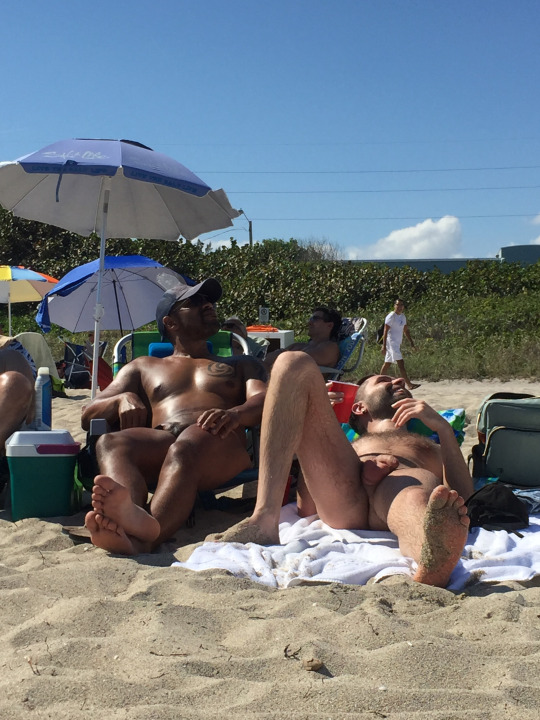
Sunning themselves!
What’s the best sunscreen for me?
This depends on may aspects, including age, skin type, activity, time of day, location (proximity to the Equator) and the UV index. For most skin types, a sunscreen with a broad-spectrum minimum SPF15 is recommended. Men with fair or lighter skin tones (of all ethnicities and races) and low sun tolerance (burn easily) should use a broad-spectrum SPF30. For minimal sun exposure, 90 minutes or less, a moisturizer cream may suffice (with correct SPF level). For extended periods of sun exposure and higher activity engagement, use a longer-lasting product such as a cream, gel or lotion.
Spray (aerosol or pump) are beneficial for hairier parts of the body, including the arms and armpits, back. chest, legs and the pubic region. If a person is acne-prone, choose sunscreens that are oil-free or non-carnodegenic.
For persons with sensitive skin, the chemicals in some sunscreens may cause irritation. Use a product that contains only physical blockers (zinc oxide and titanium dioxide). A physical blocker does not penetrate the skin layers as do chemicals. Physical blockers stay on the skin surface to provide protection.
What’s the best way to use sunscreen?
If you’ve used sunscreen before and suffered sunburn, it was either applied incorrectly or the wrong SPF. For sunscreen to be effective, it must be in sufficient quantity, applied correctly and thoroughly, applied prior to sun exposure and reapplied when necessary.
Remember the lips! Use a lip balm with a minimum SPF15.
How much?
One ounce (a full shot glass) per adult body per application (minimally). Apply liberally all over the body, including behind the ears and on the edges of the ear and ear lobes.
When to apply?
At least 30 minutes before going into the sun. Reapply 15 minutes later. The extra application helps to cover body areas that may have been missed the first time. Once in sunlight, reapply every couple of hours, especially if swimming, perspiring or towel drying.
Sunscreen for a friend!
Who should use sunscreen?
Everyone needs skin protection. All ethnicities and races are susceptible to sunburn. Persons with darker skin complexions may have a higher tolerance for sun exposure but at some point, will begin to experience sunburn. Keep in mind that skin damage and serious complications later in life are a result of the failure to protect the skin.
Do persons of African descent need sunscreen?
All persons need to protect themselves from UV-A and UV-B sunrays. A common misconception is that Black people and others with darker skin tones is that their melanin-infused skin completely eliminates the necessity for sunscreen as protection. Yes, darker skin does offer limited additional tolerance but all persons, no matter their skin tone, need to wear sunscreen.
For a long time, all races mistakenly believed that the darker skin needs at least an SPF30complexions of persons of African, Middle Eastern and Indigenous American and Australian heritage were immune from the damaging and harmful rays of the sun. Despite the fact that melanin-infused skin have a higher genetic tolerance than fairer (lighter) skin tones, everyone has a natural deficiency of SPF.
At minimum, skin needs at least an SPF30 broad-spectrum for full protection. from UV-A and UV-B. Black people (on average) have a natural deficit of about SPF17 because melanin naturally provides a SPF13.
Sunglasses!
What about my eyes?
Ultraviolet rays do have an adverse effect on eyes as well as vision. Sunglasses that are able to filter the sun’s rays are available without a prescription. Protect yourself!
Naked hugs!
Roger Poladopoulos/ReNude Pride
Author’s Note: The next post entry here is planned for Friday, May 24, 2024, and the proposed topic is: “Almost Here!”
It is the month of May and for those of us living in the Northern Hemisphere, our Summer is rapidly approaching. In order to help remind everyone of the realities of living as a bare practitioner, the message is: we all need to act for protection of our skin! There is enough potential for disaster in our lives already. Failure to act to protect ourselves from over-exposure to the sun is a risky procedure that none of us need to make. Our health is fragile as it is!
Annually, usually during the month of May, I post a summation of the steps we should follow in protecting our skin from the sun. We enjoy our body and clothes freedom, a simple notation of the process to ensure continued fun and pleasure during the summer months is an effort towards the health and safety of us all. To all of our bare practitioners residing in the Southern Hemisphere, earmark this post in preparation when “fun-in-the-sun” season returns to you!
In our eagerness to get outside and frolic in the fresh air and warm sun, many of us forget one of the basic rules of outdoor health: we all need to cover up (protect) our skin before we uncover any part of or all of our body. This cover up entails the use of an appropriate sunscreen applied correctly, adequately (sufficient quantity) and, when necessary, reapplied diligently. Using sunscreen allows most of us to make the most of whatever our sunlight plans may offer. The purpose of sunscreen is to protect ourselves from sunburn (or worse).
Sunscreen instruction review!
It is strongly recommended that bare practitioners and naturists/nudists earmark this post for the duration of the season. In doing so, it is easily available for reference should the need arise. Our health is a vital concern for each one. Please protect yourself and others around you!
Question and Answer Format:
The “Question and Answer” (Q&A) style has been the format for this post entry here since I began publishing in 2017. Those seeking information appreciate the brevity and the focused subject of each inquiry. This type pf presentation encourages additional research if more information is needed.
New this year is an Addendum: Update section featured as a summary for this post entry.
Sunburn on his back!
What is sunburn?
Sunburn is caused by the sun’s ultraviolet (UV) radiation and not heat. It is important to remember that skin can burn even on overcast or cloudy days, cold winter days and while under shade (shelter from direct sunlight). Sunburn damages or destroys the skin, which controls the amount of heat our body retains or releases, holds in fluids (hydration) and protects us from infections.
Reactions to sunburn range from mild irritation to serious pain. Sunburn may cause fevers and nausea (depending on the severity of the burn) and makes the dead skin peel away. Sunburn may lead to serious health complications later in life.
The information below is very general and is offered as a guide to use in selecting the type of sunscreen that is best for personal protection. Keep in mind that every individual is just that: an individual – a unique person. What is applicable for one may or may not be the same for another. When in doubt, consult a health practitioner. It is better to ask now than to be sorry later!
Applying sunscreen!
What is sunscreen?
Sunscreen is a chemical that, to a certain degree, prevents UV radiation from reaching the skin. While there is no product that totally eliminates UV radiation damage, many variations, when used properly, can and do protect the skin adequately.
What should I look for in a sunscreen?
Regardless of where the sun activity is taking place: backyard, ball playing field, park or beach, the product should contain two elements for effective protection. Always look for a “broad spectrum” sunscreen that contains chemicals that block both UV-A and UV-B radiation from penetrating the skin surface.
While no product is completely waterproof, select a “water-resistant” type that is designed for long-lasting wear, especially if swimming or sweating. Choose a variation that is both easy to apply and feels good on the skin. There are numerous commercial brands available: creams, lotions, moisturizers, gels, sprays and solid stick types.
Sunbathing!
What is SPF?
The initials SPF refer to “sun protection factor.” This is the measure of the effectiveness of the sunscreen in absorbing UV-B radiation. If someone sunburns after about 10 minutes of sun exposure, using a product of SPF15 extends the amount of time before sunburn occurs to 150 minutes or two-and-a-half hours. After this time, it should be reapplied to continue protection.
In terms of percentages, a product of SPF15 blocks 93% of the UV-B sun rays. One of SPF30 blocks 97% of radiation and one of SPF50 blocks 99%. The difference in protection may not justify the added expense of higher SPF sunscreens.
What is the best sunscreen for me?
This depends on many factors, including age, skin type, activity, time of day, location (proximity to the Equator) and the UV index. For most skin types, a sunscreen with a minimum SPF15 is recommended. Persons with fair or lighter skin tones – of all races and ethnicities – and low sun tolerance (burn easily) should use a SPF30. For minimal sun exposure, 90 minutes or less, a moisturizer cream may suffice (with correct SPF level). For extended periods of sun exposure and higher activity engagement, use a longer-lasting product such as a cream, gel or lotion. Spray (aerosol or pump) are beneficial for hairy parts of the body, including the arms and armpits, back, chest, legs and the pubic region. If a person is acne-prone, choose sunscreens that are oil-free or non-carnodegenic.
For individuals with sensitive skin, the chemicals in some sunscreens may cause irritation. Use a product that contains only physical blockers (zinc oxide and/or titanium dioxide). A physical blocker does not penetrate the skin layers as do chemicals. Physical blockers stay on the skin surface to provide protection.
Reading application instructions!
What is the best way to use sunscreen?
If you’ve used sunscreen before and burned, it was either applied incorrectly or the wrong SPF. For sunscreen to be effective, it must be in sufficient quantity, applied correctly and thoroughly, used prior to sun exposure and reapplied often. Remember the lips: use a lip balm with a minimum SPF15!
How much?
One ounce (a full shot glass) per adult body per application (minimally). Apply liberally all over the body, including behind the ears and on the edges of the ear and ear lobes.
When to apply?
At least 30 minutes before going out into the sun. Reapply 15 minutes later to ensure that you didn’t miss any part of your body. Once in sunlight, reapply every couple of hours, especially if swimming, perspiring or towel drying.
Who should use sunscreen?
Everyone needs skin protection from the rays of the sun. All races and ethnicities are susceptible to sunburn. Men with darker skin complexions may have a higher tolerance for sun exposure but at some point, they too will experience sunburn. Bear (and bare) in mind that skin damage and serious complications later are a result of the failure to protect the skin.
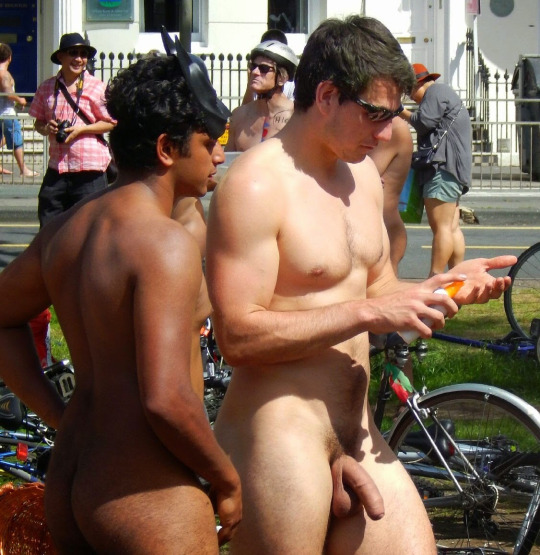
Rubbing sunscreen lotion into his skin!
What does the expiration date mean?
Sunscreen usually remains stable and effective for a period of three (3) years. After the expiration date, the contents will begin to decompose and will not offer the intended protection. Always check the expiration date before application. Discard any product that is past the expiration date.
For the bare practitioner/naturist/nudist:
Apply sunscreen to the entire body. This includes the anal area, armpits, penis, testicles (both front and back). Follow the reapplication guidelines every couple of hours. Body areas that may not receive direct sunlight absorb UV-A and UV-B radiation indirectly.
Manscaping (body hair removal), no matter the method used, creates sensitive areas on the skin surface. First, apply a gentle body lotion, wait fifteen (15) minutes and then cover with sunscreen – completely.
Summer is a natural season for outdoor freedom and a variety of nudecentric outside activities: aquatics, athletics, barbecues and cookouts, events, festivals and countless socials. It is also the time for quiet solitude such as gardening, hiking, reading a book or a casual stroll down a nature trail. No matter how we choose to spend our leisure time, proper prevention against sunburn ensures all of us freedom from concerns over sun exposure. One less worry as we go about our business of having fun in the sun.
Sunglass protection!
Sunglasses!
A cautious word on sunglasses! It is important to remember sunglasses to prevent harmful UV radiation from damaging the eyes! Even on overcast days, radiation is still available. When purchasing sunglasses, a pair with UV filtering lenses is highly recommended.
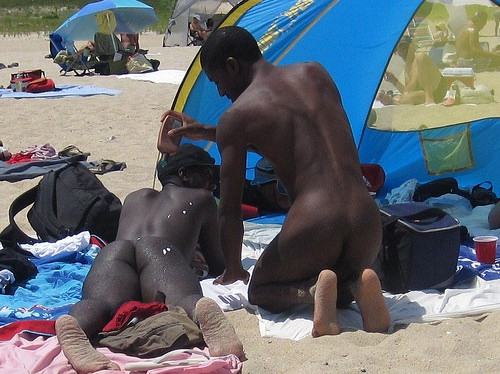
Sunscreen application assistance!
Bare Notations: 2022:
If you are a “newbie” (recent arrival) to the bare practitioner world – welcome! If you are a veteran of the body and clothes freedom comity (community and/or culture) – you’re welcome here, too! A new sectional feature here on ReNude Pride’s annual guide to sunscreen protection for us all are these “Bare Notations.” These notations (reminders and/or suggestions) are offered in a nonjudgmental and nonthreatening way to help us all guard and protect the “skin we’re in!” Please feel free to offer your own ideas in the comments area below and remember to have fun and be safe in the sun!
Tan-line: in order to remove all evidence of swimsuit (or other clothing) wearing, generously apply sunscreen all over your entire body – not just the tan-line area. Too many times people only cover the tan-line evidence and neglect the rest of their body. For the best protection, use sunscreen; faithfully and religiously!
Sunglasses: (once again, another subtle reminder) the use of sunglasses is essential in protecting visual health. The shaded lenses guard our eyes from the UV radiation emitted from the sun’s rays. Carefully select a pair that’s comfortable, treated with UV filtration and sturdy. Fresh slices of cucumber may be calming and fine for soothing the eyelids after sun exposure, but they don’t protect against UV damages!
Genitalia: (buttocks and crevice, penis, testicles) are sensitive parts of the body that are usually the least exposed to any sunlight. Carefully and completely cover with sunscreen – and a second thorough application is strongly recommended before sun exposure happens. This ensures full coverage has occurred. Remember the underside of the penis and the backside of testicles. UV radiation is not merely contained to sunlight! Don’t forget the crevice area between the left and right buttock!
Armpits: (underarms) are sensitive parts of the body that are usually a secondary site of minimal sunlight exposure. Armpit hair (underarm fur) – no matter how profuse or sparse – does not eliminate UV penetration. Apply sunscreen the same as you would other areas of the skin. Due to heavy perspiration in the underarms and the human tendency to wipe away heavy amounts of moisture, armpits/underarms may require additional monitoring.
Have a fun and safe summer!
Naked hugs!
Roger Poladopoulos/ReNude Pride
Author’s Note: The next post entry planned for here is Friday, May 20, 2022, and the proposed topic is “Summer Plans!”
















 ReNude Pride: Guys Without Boxers!